Interior Designing
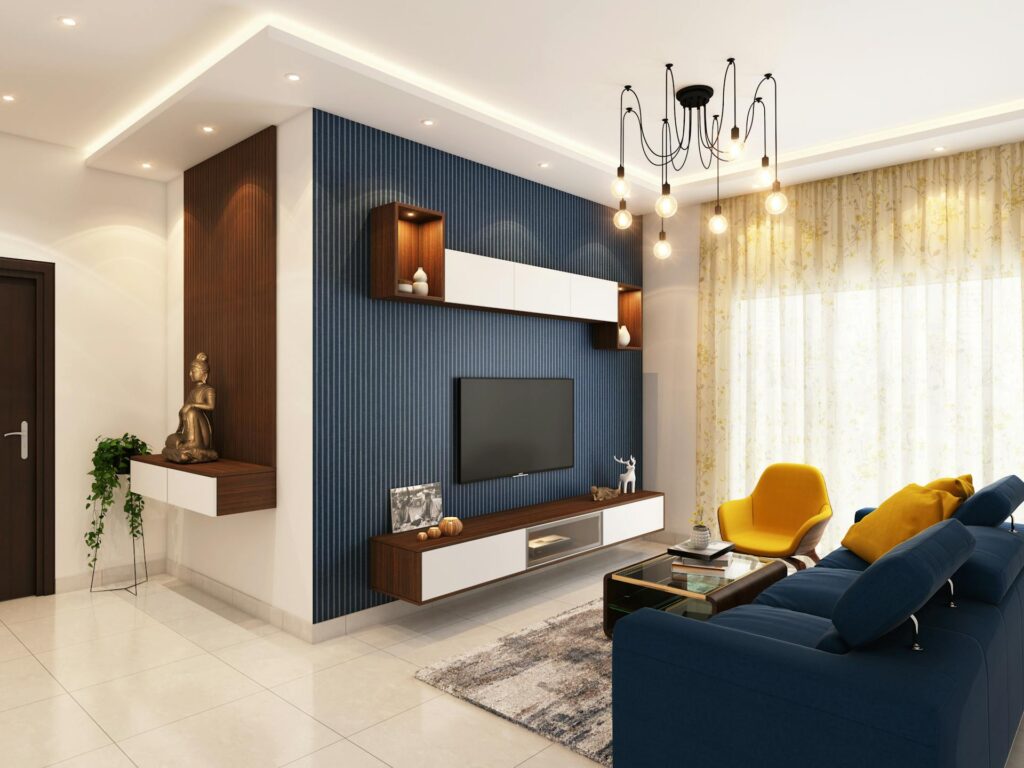
Interior designing is more than selecting furniture and choosing paint colors. It is the process of creating spaces that combine beauty, comfort, and functionality while reflecting the personality and lifestyle of the people who use them. Whether it is a residential property, office, retail store, or commercial building, professional interior designing transforms ordinary rooms into practical and visually appealing environments.
Every project begins with understanding the purpose of the space and the needs of the occupants. A well-designed interior improves movement, maximizes available space, enhances natural light, and creates a balanced atmosphere. Professional designers carefully plan every detail, from layout and furniture placement to materials, textures, lighting, and decorative elements.
A thoughtfully designed interior not only improves daily living but also increases the overall value of a property. With careful planning and creative solutions, every room can become more organized, efficient, and enjoyable for years to come.
Personalized Interior Design Solutions
Every property has unique requirements, which is why interior design should never follow a one-size-fits-all approach. Personalized design solutions ensure that each room matches the client’s style, functional needs, and available space.
The design process often begins with consultations, site measurements, and an understanding of how the space will be used. Designers then develop concepts that include layouts, color palettes, furniture selections, lighting plans, and decorative finishes. Every decision contributes to creating a cohesive interior that reflects the client’s vision while maintaining practicality.
Customized designs also consider future needs, allowing spaces to remain functional as lifestyles and business requirements change over time.
Residential Interior Designing
Homes should provide comfort, relaxation, and functionality. Professional residential interior design focuses on creating welcoming environments that suit every family member while making the most of available space.
Living rooms are designed to encourage conversation and comfort. Bedrooms become peaceful retreats with carefully selected lighting, furniture, and soft finishes. Kitchens combine efficient layouts with modern storage solutions, while dining areas are arranged for both daily meals and entertaining guests.
Bathrooms receive attention through thoughtful lighting, practical storage, durable materials, and elegant fixtures that create a clean and relaxing atmosphere. Every area works together to provide a balanced and harmonious living experience.
Living Room Design
The living room often serves as the heart of the home. Interior design focuses on comfortable seating arrangements, proper lighting, attractive décor, and functional layouts that encourage relaxation while maintaining a stylish appearance.
Bedroom Design
Bedrooms should support rest and comfort. Careful furniture placement, calming colors, layered lighting, and organized storage create peaceful spaces that promote better relaxation and everyday convenience.
Commercial Interior Design
Commercial interiors require a careful balance between aesthetics, functionality, and business objectives. Professional interior design creates environments that improve productivity, customer experience, and employee satisfaction.
Office interiors focus on efficient workspaces, collaborative meeting areas, ergonomic furniture, and proper lighting that supports employee performance. Retail stores use strategic layouts to improve customer flow while showcasing products effectively. Restaurants, hotels, clinics, and other commercial properties benefit from customized interiors that strengthen their identity while enhancing comfort for visitors.
Every commercial project considers branding, operational efficiency, safety, and long-term durability to create environments that support business success.
Office Space Planning
Efficient office layouts improve workflow and encourage collaboration while providing employees with comfortable working conditions. Well-planned interiors include meeting rooms, workstations, reception areas, and breakout spaces designed for productivity.
Retail Interior Design
Retail environments are carefully designed to guide customer movement, highlight merchandise, and create memorable shopping experiences. Strategic lighting, displays, and layouts help maximize both functionality and visual appeal.
Space Planning and Layout Optimization
One of the most important aspects of interior design is effective space planning. Proper layouts ensure every square foot serves a purpose while maintaining comfortable movement throughout the property.
Designers analyze room dimensions, traffic flow, furniture placement, and storage requirements before finalizing layouts. Open-plan spaces can be organized into functional zones without sacrificing visual openness, while smaller rooms can appear larger through smart design techniques.
Effective planning minimizes wasted space, improves organization, and creates interiors that feel balanced and comfortable regardless of property size.
Color Selection and Material Coordination
Colors, textures, and materials greatly influence the atmosphere of any interior. Professional interior design carefully combines these elements to create visually appealing environments that suit the intended purpose of each room.
Neutral tones provide timeless elegance, while bold accent colors add personality and visual interest. Natural materials such as wood, stone, glass, and metal create texture and depth throughout the space. Fabric selections, flooring materials, wall finishes, and decorative elements are chosen to complement one another while ensuring long-term durability.
Thoughtful coordination creates interiors that remain attractive while standing up to everyday use.
Lighting Design for Better Ambiance
Lighting plays a significant role in both the appearance and functionality of interior spaces. A carefully designed lighting plan enhances architectural features while improving comfort and visibility.
Natural light is maximized wherever possible to create bright and inviting interiors. Artificial lighting combines ambient, task, and accent fixtures to meet different functional needs while creating visual depth.
Proper lighting improves workspaces, highlights decorative features, supports relaxation, and enhances the overall mood of every room throughout the day and evening.
Furniture and Décor Selection
Furniture serves both practical and aesthetic purposes within an interior. Professional interior designing selects pieces that fit the available space while complementing the overall design theme.
Comfort, durability, proportion, and functionality are carefully considered before choosing furniture. Decorative accessories, artwork, mirrors, rugs, curtains, and plants complete the interior by adding personality without overwhelming the space.
Well-selected furnishings create balanced interiors where every item contributes to both visual appeal and everyday comfort.
Why Professional Interior Designing Matters
Professional interior design offers long-term value by creating spaces that are attractive, practical, and efficient. Expert planning helps avoid costly design mistakes while ensuring every element works together harmoniously.
A professionally designed interior improves comfort, supports daily activities, increases property appeal, and makes better use of available space. Careful attention to layout, lighting, materials, colors, and furnishings results in environments that remain functional and visually pleasing for many years.
Whether renovating a single room or designing an entire property, professional interior design transforms ideas into thoughtfully planned spaces that combine style, comfort, and lasting functionality.